
A Body in Motion
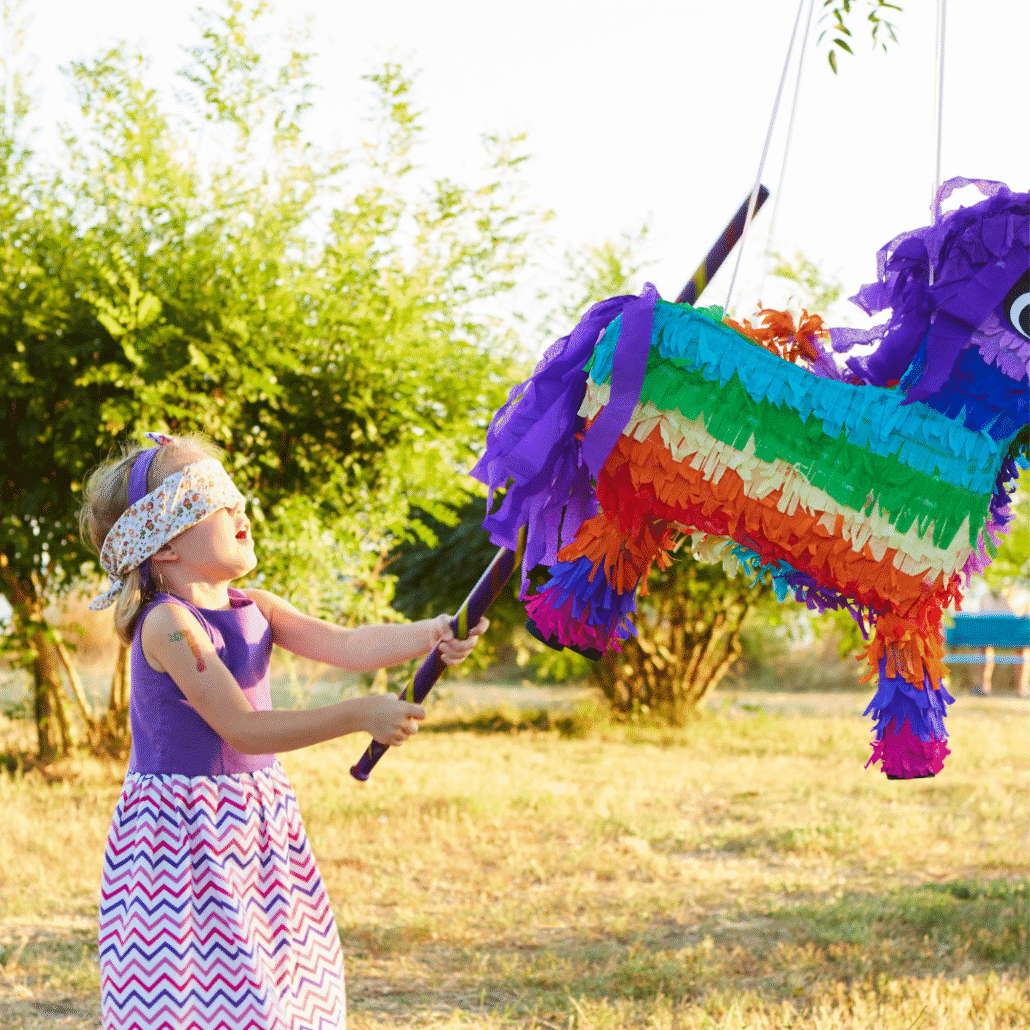
Our body’s ability to sense its position in space is a complex automatic process, essential for coordination and balance in movement. Sensors, known as proprioceptors, lay within our skin, muscles, tendons and joints. Our brain receives input from these peripheral points on the location of limbs as well the force of exertion. Exterior information from our visual and vestibular systems works with our proprioceptive system to form a comprehensive understanding of our body’s movement and positioning in space.
Proprioception plays a critical role in our survival instinct. In its most primitive form, animals use locomotion to find food and escape predators. External and internal cues are integrated to modulate inputs and propel our motor function. Consider our Amphibian reflex, which is closely aligned to efficient gross motor movements through adulthood. The ability to coordinate the hip and knee joints in a reciprocal motion helps to complete the integration of our Spinal Galant reflex and establish a sense of postural stability for the upper and lower parts of our body.
I mentioned that our proprioceptive system is an internal awareness of where we are in space, like a GPS system guiding our movement. Kinesthesia, however, is the sensation of true movement and the ability to detect changes in speed and force. When we practice movement patterns, like riding a bicycle, nailing a move in gymnastics or even playing an instrument by heart, we are learning to control and connect with that sense of movement. Our body’s reaction time is based on well-oiled receptors that provide feedback to the brain in response to stimuli. Consider the movements of athletes as they react in to external game dynamics and in defense of the ball. Their reflexes are honed and their proprioceptive system is firing on all cylinders.
Proprioceptive processing difficulties often involve sensory-seeking behavior, like fidgeting or crashing into furniture. Challenges may also appear as weakened gross motor skills, leaning on objects constantly or struggling to maintain balance. Weight-bearing activities, and any movement that works against gravity like pushing, pulling and climbing, activates the proprioceptive system and may be used in therapeutic practice to heighten receptors.
It is important, however, to recognize the complex interplay of our body’s sensory systems. Our Amphibian reflex is the outcome of a series of reflexes that establish body awareness, postural integrity and a sense of the independent control of our head and spine, along with our upper and lower body. We cannot target specific muscles or movement patterns without calling upon the foundation of our earliest reflexes.

