
Maintaining the Merry
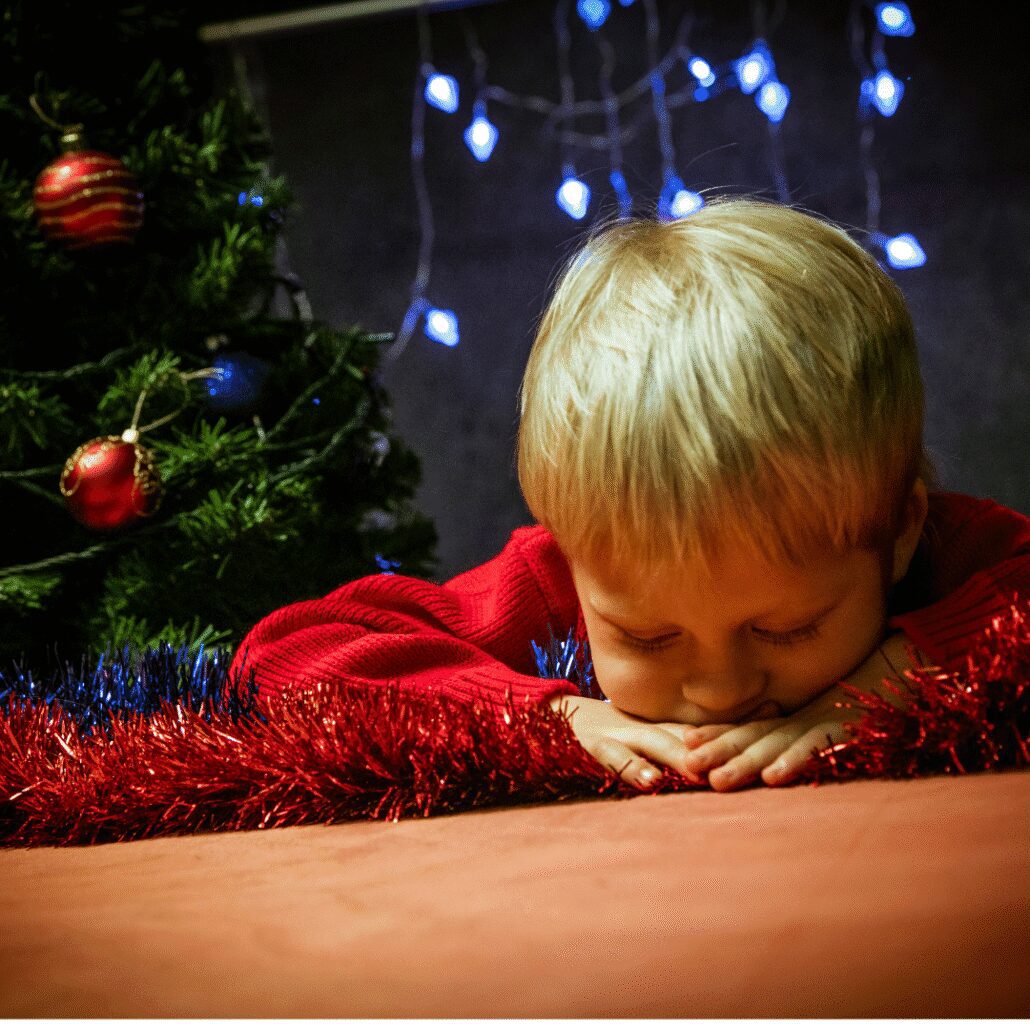
Feeling safe and secure in an unfamiliar environment is closely aligned to the integration of our defensive reflexes, as well as our early grasping reflexes like root suck and the palmar grasp. When these reflexes remain active, children may more easily experience overstimulation, social anxiety or emotional outbursts. With disruptions to predictable routine, the additional guests, changes in dining or sleeping arrangements, a growing feeling of discomfort may result in behavioral challenges.
For many, the holidays are a time to navigate a gauntlet of environmental stressors in between those precious moments and memories. Recognizing this is the first step in ensuring everyone has a safe, secure and enjoyable season.
When possible, resume routine activities and maintain a near-normal schedule, even if that means saying ‘no’ to some of the fun. Keep excursions shorter for younger children. I always say, behavior is just another form of communication and those shifts in energy or emotion may be a valuable sign from your child. Create space for sensory breaks throughout the day to avoid overstimulation during festive outings.
With school-age children, include them in the family plans, discuss schedules and communicate when something may not be as usual or expected. Invite them to express how they feel and create a plan for finding comfort in those difficult moments. As adults, try too to be a model of calm and moderation throughout the season.
Remember, above all, the holidays are a time for family and togetherness and that in itself is our greatest gift.

